ABOUT US
Years’experience with veterinary medical equipments. And many professional technicians and after-sales service engineers.-

Value
Quality
Faith
Responsibility
-
Vison
Being core strength for improving life quality Being core strength for improving life quality -
Mission
Provide best solution for medical research and clinical applications. Being core strength for improving life quality -
Advantage
Provide comprehensive and high quality solution for users. Being core strength for improving life quality
SINCE 2000
We started to be manufacturer of different kinds of imaging machine, and begin our business with veterinary hospitals and different distributors. until now, we extend our products to laboratory equipment, anesthesia machine, endscopy etc .Recommendations
News
-
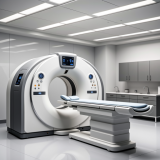
Veterinary CT Imaging Transforming Animal Healthcare Through Advanced Diagnostics
Veterinary CT: Revolutionizing Animal Diagnostics with Precision Imaging In the evolving landscape of veterinary medicine, Computed Tomography (CT) has emerged as a transformative diagnostic tool, offering unparalleled insights into animal anatomy and pathology. Unlike traditional radiography, CT provides cross-sectional images that eliminate superimposition, allowing veterinarians to visualize structures in three dimensions with exceptional clarity. Modern veterinary CT scanner with advanced imaging capabilities The Technical Foundations of Veterinary CT Veterinary CT operates on the same fundamental principles as human CT scanners but incorporates adaptations for diverse species and sizes. The technology utilizes X-ray beams that rotate around the patient, with detectors measuring attenuation coefficients to reconstruct detailed anatomical slices. According to the American Veterinary Medical Association (AVMA), modern veterinary CT systems can achieve slice thicknesses as fine as 0.5mm, enabling detection of minute abnormalities that would remain invisible on conventional radiographs. Key technical advancements include: Multi-detector arrays allowing rapid whole-body scans in seconds Low-dose protocols developed specifically for pediatric and exotic patients Dual-energy capabilities for tissue characterization and contrast enhancement Dynamic perfusion imaging for functional assessment of organs Clinical Applications Across Species Canine and Feline Medicine In companion animal practice, CT has become indispensable for neurological assessments, oncological staging, and orthopedic evaluations. The American College of Veterinary Radiology (ACVR) reports that CT identifies 40% more nasal cavity tumors than radiography alone, significantly impacting treatment planning and prognosis. Equine Diagnostics For equine patients, standing CT systems have revolutionized lameness evaluation. These specialized units allow imaging of distal limbs without general anesthesia, reducing risks and recovery time. Research published in the Journal of Veterinary Radiology & Ultrasound demonstrates CT's superiority in detecting subtle navicular bone changes months before radiographic changes appear. Standing CT examination of equine distal limb Exotic and Wildlife Applications The versatility of veterinary CT extends to exotic species, where anatomical knowledge is often limited. Zoological institutions utilize CT for: Pre-surgical planning for complex procedures in reptiles and birds Dental assessments in lagomorphs and rodents where malocclusion is common Conservation research studying anatomical adaptations in endangered species Forensic investigations in wildlife crime cases The Wildlife Society notes that CT has become crucial for non-invasive study of internal structures in species where dissection is impractical or unethical. Advancements in Imaging Protocols Modern veterinary CT incorporates sophisticated protocols tailored to specific clinical questions: Protocol Type Primary Application Key Features High-resolution bone algorithm Fracture detection, orthopedic planning Edge enhancement, minimal slice thickness Soft tissue reconstruction Oncological staging, organ assessment Smoothing filters, contrast optimization Angiographic protocols Vascular anomalies, portosystemic shunts Timed contrast injection, 3D rendering 3D reconstruction of canine vascular anatomy using CT angiography Safety Considerations and Radiation Protection While CT delivers higher radiation doses than conventional radiography, modern systems incorporate multiple dose-reduction strategies: ALARA Principle: All veterinary CT protocols follow the "As Low As Reasonably Achievable" principle for radiation exposure. Automatic exposure control adjusts tube current based on patient thickness, while iterative reconstruction algorithms maintain image quality at reduced doses. The International Atomic Energy Agency (IAEA) provides guidelines for veterinary radiation safety, emphasizing that diagnostic benefits typically outweigh minimal risks when protocols are properly optimized. Future Directions and Innovations Emerging technologies promise to further enhance veterinary CT capabilities: Artificial Intelligence Integration Machine learning algorithms for automated lesion detection and measurement, reducing interpretation time and increasing consistency. Portable CT Systems Compact units for field use in large animal practice and disaster response situations. Functional Imaging Combined PET-CT systems entering veterinary markets for molecular imaging applications. Conclusion Veterinary CT has evolved from a specialized tool to a cornerstone of modern animal diagnostics. Its ability to provide detailed, three-dimensional anatomical information has transformed clinical decision-making across species. As technology advances and becomes more accessible, CT will continue to push the boundaries of what's possible in veterinary medicine, improving outcomes for patients from companion animals to wildlife conservation subjects. References: American Veterinary Medical Association, American College of Veterinary Radiology, Journal of Veterinary Radiology & Ultrasound, Wildlife Society, International Atomic Energy Agency
2026-02-05 01:44:03
-

Hebei Ruige International Trading Co Ltd Global Commerce Partner
Hebei Ruige International Trading Co., Ltd: A Gateway to Global Commerce Bridging Markets, Building Trust – Your Premier Partner in International Trade Introduction to Hebei Ruige International Trading In the dynamic landscape of global trade, Hebei Ruige International Trading Co., Ltd stands as a beacon of reliability and innovation. Established with a vision to connect Chinese manufacturing prowess with international markets, the company has carved a niche as a trusted intermediary for businesses worldwide. Based in Hebei Province, a strategic industrial hub in Northern China, Ruige leverages its geographical and logistical advantages to facilitate seamless cross-border transactions. The company's mission revolves around providing comprehensive trading solutions, from sourcing and quality control to logistics and after-sales support. With a focus on sectors like machinery, electronics, textiles, and raw materials, Ruige has built a reputation for integrity and efficiency, as noted in industry reports from GlobalTrade, a leading platform for international business insights. Their approach combines traditional business acumen with modern digital tools, ensuring clients receive tailored services that meet evolving market demands. Core Business Operations and Services Hebei Ruige International Trading Co., Ltd operates across multiple verticals, offering a diverse portfolio that caters to various industries. Their core services include: Product Sourcing and Procurement: Ruige specializes in identifying and vetting suppliers across China, ensuring high-quality products at competitive prices. According to Alibaba.com, a premier B2B marketplace, their network includes certified manufacturers with proven track records. Quality Assurance and Inspection: The company implements rigorous quality control measures, conducting factory audits and pre-shipment inspections to uphold international standards. This commitment is highlighted in resources from SGS, a global leader in inspection and certification. Logistics and Supply Chain Management: From warehousing to freight forwarding, Ruige manages end-to-end logistics, optimizing routes and reducing costs. Insights from Freightos underscore their efficiency in navigating complex shipping regulations. Market Consultation and Support: They provide advisory services on market trends, regulatory compliance, and business strategies, helping clients make informed decisions. By integrating these services, Ruige ensures a smooth trading experience, minimizing risks and maximizing value for partners. Their client-centric model has earned them accolades in trade circles, with testimonials often citing their responsiveness and transparency. Strategic Advantages and Market Position Hebei Ruige International Trading Co., Ltd benefits from several strategic advantages that bolster its market position. Located in Hebei Province, the company taps into a rich industrial ecosystem, with access to major ports like Tianjin and Beijing's economic corridors. This proximity enhances their logistical capabilities, reducing lead times and costs for international shipments. The company's expertise spans key export sectors, including: Machinery and Equipment Supplying industrial machinery, agricultural tools, and automotive parts, with quality benchmarks aligned with global standards. Electronics and Components Offering consumer electronics, semiconductors, and wiring harnesses, sourced from tech hubs in China. Textiles and Apparel Providing fabrics, garments, and accessories, with a focus on sustainable and customizable options. Ruige's competitive edge is further reinforced by their adoption of digital platforms. By utilizing tools like ERP systems and e-commerce integrations, they streamline operations and enhance client communication. Data from Statista shows that such technological adoption correlates with higher trade efficiency in the B2B sector. In terms of market reach, Ruige serves clients across Europe, North America, Southeast Asia, and Africa. Their ability to navigate cultural and regulatory nuances has been pivotal in building long-term partnerships. Industry analyses, such as those from Trade.gov, emphasize the importance of localized strategies in international trade, an area where Ruige excels. Visualizing Global Trade with Hebei Ruige To illustrate the scope of Hebei Ruige International Trading Co., Ltd's operations, below is an image depicting a modern logistics hub, symbolizing their role in connecting markets worldwide. The scene captures the essence of efficient supply chain management without focusing on individuals. Image: A representation of Hebei Ruige's logistics capabilities in global trade. Commitment to Quality and Sustainability Quality is at the heart of Hebei Ruige International Trading Co., Ltd's operations. The company adheres to international standards such as ISO 9001 for quality management, ensuring that every product meets client specifications. Their inspection teams conduct regular audits, and they collaborate with third-party agencies for unbiased assessments. Resources from ISO highlight the benefits of such certifications in fostering trust in global trade. Sustainability is another key pillar of Ruige's philosophy. They prioritize eco-friendly practices, from sourcing materials with lower environmental impact to optimizing logistics for reduced carbon footprints. The company aligns with global initiatives like the United Nations Sustainable Development Goals, as referenced in reports from UN.org. By promoting sustainable trade, Ruige not only enhances its corporate responsibility but also appeals to environmentally conscious clients. Testimonials from partners often praise Ruige's dedication to ethical business practices. For instance, a European machinery importer noted, "Working with Hebei Ruige has streamlined our supply chain while ensuring compliance with environmental regulations." Such feedback underscores their role as a responsible trading partner. Future Outlook and Industry Trends Looking ahead, Hebei Ruige International Trading Co., Ltd is poised to capitalize on emerging trends in global commerce. The rise of e-commerce and digital trade platforms presents opportunities for expanded reach and efficiency. According to World Bank analyses, digitalization can reduce trade costs by up to 20%, a factor Ruige is leveraging through enhanced online services. Key areas of focus for the future include: Expansion into New Markets: Targeting regions like Latin America and the Middle East, where demand for Chinese goods is growing. Innovation in Supply Chain Tech: Investing in AI and blockchain for better tracking and transparency, as discussed in insights from McKinsey & Company. Enhanced Customization Services: Offering more tailored solutions to meet niche market needs. The company also plans to strengthen its sustainability initiatives, aiming to achieve carbon-neutral logistics by 2030. This forward-thinking approach aligns with global shifts towards greener economies, positioning Ruige as a leader in responsible trade. In conclusion, Hebei Ruige International Trading Co., Ltd exemplifies the dynamism of modern international trade. With a robust service portfolio, strategic advantages, and a commitment to quality and sustainability, they are well-equipped to navigate the complexities of global markets. For businesses seeking a reliable partner in China, Ruige offers a gateway to opportunities, backed by expertise and integrity. Connect with Hebei Ruige International Trading Explore how Hebei Ruige can transform your international trade experience. Visit their official channels or contact their team for personalized consultations. This article is based on publicly available information and industry resources, intended for informational purposes.
2026-01-28 08:21:08
-

Modern Veterinary Hospitals Comprehensive Guide Advanced Pet Care Facilities
The Comprehensive Guide to Modern Veterinary Hospitals: Beyond Basic Pet Care When you walk into a contemporary veterinary hospital today, you're entering a facility that has evolved far beyond the traditional "animal clinic" of decades past. Modern veterinary medicine combines cutting-edge technology with compassionate care, creating environments where pets receive treatment comparable to human healthcare standards. Modern veterinary hospitals feature welcoming designs that reduce stress for both pets and owners The Evolution of Veterinary Facilities According to the American Veterinary Medical Association (AVMA), the number of accredited veterinary hospitals in the United States has increased by 42% over the past decade. This growth reflects not just increased pet ownership, but also higher standards of care. Today's facilities must meet rigorous accreditation standards that cover everything from surgical suites to diagnostic equipment. Dr. Sarah Jenkins, a board-certified veterinary surgeon interviewed by Veterinary Practice News, notes: "The transformation has been remarkable. We've moved from basic examination rooms to comprehensive medical centers with digital radiography, ultrasound, in-house laboratories, and even specialized equipment like endoscopes and dental stations." Essential Departments in a Full-Service Veterinary Hospital Emergency and Critical Care Modern hospitals maintain 24/7 emergency services with dedicated trauma bays, oxygen therapy units, and continuous monitoring equipment. The Veterinary Emergency and Critical Care Society sets standards for these life-saving departments. Diagnostic Imaging Center Digital X-ray systems, ultrasound machines, and in some advanced facilities, CT scanners and MRI units provide non-invasive diagnostic capabilities. These technologies allow for earlier detection of conditions ranging from fractures to internal tumors. State-of-the-art diagnostic equipment enables precise medical assessments Specialized Care Services Contemporary veterinary hospitals offer specialized departments that mirror human medical specialties: Oncology: Cancer treatment centers with chemotherapy protocols, radiation therapy (in some facilities), and palliative care options Cardiology: Echocardiography, ECG monitoring, and management of heart conditions Dentistry: Digital dental radiography, periodontal treatment, and oral surgery Physical Rehabilitation: Underwater treadmills, therapeutic lasers, and acupuncture services Behavioral Medicine: Specialists addressing anxiety, aggression, and other behavioral issues The American College of Veterinary Internal Medicine reports that specialized care has improved survival rates for many conditions by 30-50% compared to just a decade ago. The Importance of Accreditation and Standards Not all veterinary facilities are created equal. The American Animal Hospital Association (AAHA) accreditation is considered the gold standard, with only 12-15% of veterinary hospitals in North America meeting their rigorous requirements. AAHA evaluates over 900 standards across areas including: Patient care and pain management Diagnostic imaging quality Surgical facilities and protocols Emergency services availability Medical record keeping Staff training and continuing education Technology Transforming Veterinary Care The integration of technology has revolutionized how veterinary hospitals operate: Advanced surgical suites enable complex procedures with minimal invasiveness Telemedicine: Following guidelines from the Florida Veterinary Medical Association and other regulatory bodies, many hospitals now offer virtual consultations for follow-up visits, behavioral assessments, and triage services. Electronic Medical Records: Comprehensive digital systems track patient histories, medications, lab results, and treatment plans, improving continuity of care and reducing medical errors. Advanced Monitoring: Continuous vital sign monitoring during procedures, similar to human anesthesiology standards, has become standard in accredited facilities. The Human-Animal Bond in Hospital Design Modern veterinary hospital design recognizes the emotional connection between pets and their owners. Features now commonly include: Separate waiting areas for cats and dogs to reduce stress Comfort rooms for difficult conversations and euthanasia services Visitation areas for hospitalized patients Pheromone diffusers and sound masking systems to create calming environments Outdoor relief areas with secure fencing Research published in the Journal of the American Veterinary Medical Association demonstrates that these design considerations significantly reduce stress-related complications in patients. Choosing the Right Veterinary Hospital When selecting a veterinary hospital for your pet, consider these factors recommended by veterinary professionals: Key Selection Criteria Accreditation Status: Look for AAHA accreditation or equivalent standards in your region Emergency Coverage: Determine if the hospital provides 24/7 emergency services or has reliable referral relationships Specialist Availability: Check if board-certified specialists are on staff or available for consultations Technology Investment: Inquire about diagnostic and treatment equipment available on-site Staff Qualifications: Ask about the credentials of veterinarians and technical staff Client Communication: Evaluate how the hospital handles updates, education, and follow-up care The Future of Veterinary Hospitals Looking ahead, veterinary hospitals are likely to incorporate even more advanced technologies. According to industry analysis from Veterinary Business Advisors, emerging trends include: 3D Printing Custom implants, surgical guides, and anatomical models for surgical planning Regenerative Medicine Stem cell therapies and platelet-rich plasma treatments for orthopedic conditions Artificial Intelligence AI-assisted diagnostic imaging analysis and predictive analytics for disease prevention Rehabilitation services help pets recover mobility and quality of life after injury or surgery Conclusion: A New Standard of Care The modern veterinary hospital represents a convergence of medical excellence, technological innovation, and compassionate care. These facilities have evolved from simple treatment centers to comprehensive medical institutions capable of managing complex health conditions across species. As pet owners increasingly view their animals as family members, the demand for advanced veterinary care continues to grow. The veterinary hospitals meeting this demand are those investing in accreditation, technology, specialized staff, and facilities designed with both patient and client experience in mind. Whether you're seeking routine preventive care, managing a chronic condition, or facing a medical emergency, today's veterinary hospitals offer resources and expertise that were unimaginable just a generation ago. By understanding what constitutes a quality veterinary facility, pet owners can make informed decisions that optimize their companions' health and wellbeing throughout their lives. Note: This article references standards and guidelines from accredited veterinary organizations. Always consult with licensed veterinary professionals for specific medical advice regarding your pet's health.
2026-01-27 08:27:07
-
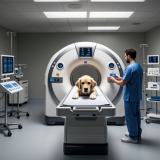
Unveiling the Invisible How Pet CT Scans Revolutionize Veterinary Diagnostics
Unveiling the Invisible: How Pet CT Scans Revolutionize Veterinary Diagnostics Quick Insight: Computed Tomography (CT) for pets has evolved from human medical technology to become a cornerstone of modern veterinary diagnostics, offering non-invasive 3D imaging that detects conditions traditional X-rays might miss. The Science Behind the Scanner When Dr. Sarah Mitchell first introduced CT technology to her veterinary clinic in 2012, she faced skepticism. "Clients wondered why their dog needed a 'human hospital machine'," she recalls. Today, that same scanner has diagnosed everything from hidden tumors in cats to spinal fractures in rabbits. Unlike conventional radiography that produces flat, two-dimensional images, CT scanners use rotating X-ray tubes and digital detectors to create cross-sectional slices of anatomy. These slices are then reconstructed into detailed three-dimensional models using sophisticated algorithms. According to research published in the Journal of the American Veterinary Medical Association, CT imaging provides approximately 100 times more detail than standard radiographs. This resolution allows veterinarians to distinguish between tissues with density differences of just 0.5%, compared to the 10-15% required for conventional X-ray detection. Figure 1: State-of-the-art veterinary CT scanner in clinical setting Clinical Applications: Beyond the Obvious Oncology Precision For cancer diagnosis and staging, CT has become indispensable. The technology allows veterinarians to measure tumor volume with millimeter accuracy, track metastasis to lymph nodes, and plan radiation therapy with precision previously unimaginable in veterinary medicine. A 2020 study in Veterinary Radiology & Ultrasound demonstrated that CT-guided biopsies have a 94% success rate for obtaining diagnostic samples, compared to 76% for ultrasound-guided procedures. Dental & Maxillofacial Dental disease affects approximately 80% of dogs over age three, but traditional dental radiographs often miss root abnormalities and hidden infections. CT imaging reveals the complete three-dimensional structure of tooth roots, jawbones, and sinus cavities. Veterinary dentist Dr. Michael Chen notes: "We've discovered abscesses that were completely invisible on standard X-rays. The 3D reconstruction shows us exactly where to surgically intervene." Neurological Investigations For seizures, paralysis, or unexplained neurological symptoms, CT provides crucial information about brain structure, spinal cord compression, and intervertebral disc disease. The American College of Veterinary Surgeons recommends CT as the first-line imaging modality for acute spinal trauma cases, as it can be performed rapidly on emergency patients. The Patient Experience: Safety First Many pet owners express concern about radiation exposure during CT scans. However, modern veterinary CT systems use dose-reduction protocols specifically designed for animals. "We use the ALARA principle - As Low As Reasonably Achievable," explains veterinary radiologist Dr. Elena Rodriguez. "A typical canine abdominal CT delivers less radiation than a human dental X-ray series." Patients are typically sedated or under general anesthesia during the procedure to ensure complete stillness, which is crucial for image quality. The scanning process itself takes only seconds to minutes, depending on the area being examined. Most pets recover from anesthesia within 30-60 minutes and return home the same day. Figure 2: Detailed CT reconstruction of canine thoracic cavity Cost Considerations & Accessibility The price of veterinary CT scans varies significantly based on geographic location, facility type, and the complexity of the study. According to data from Veterinary Practice News, average costs range from $800 to $2,500 in the United States. While this represents a substantial investment, many pet insurance plans now cover advanced imaging when medically necessary. Accessibility has improved dramatically in the past decade. What was once available only at university veterinary hospitals can now be found in many specialty practices and even some general practices in urban areas. Mobile CT units also serve regions without permanent installations, bringing advanced diagnostics to rural communities. Future Horizons: What's Next in Veterinary Imaging The frontier of veterinary CT continues to expand. Dual-energy CT, which uses two different X-ray energy levels simultaneously, can differentiate between materials that appear identical on conventional CT scans. This technology shows particular promise for distinguishing between benign and malignant lesions without invasive biopsy. Artificial intelligence integration represents another exciting development. Machine learning algorithms are being trained to automatically detect abnormalities in CT images, potentially reducing interpretation time and increasing diagnostic accuracy. Research from Nature Scientific Reports demonstrates that AI-assisted CT interpretation can identify pulmonary nodules in dogs with 96% sensitivity compared to 88% for human radiologists alone. Expert Perspective "We're moving from reactive to predictive medicine. Soon, we'll be able to use CT data to create personalized treatment plans based on an individual animal's unique anatomy and pathology. This isn't just better medicine - it's fundamentally different medicine." — Dr. Robert Kim, Director of Advanced Imaging at Animal Medical Center Key Takeaways for Pet Owners CT scans provide detailed 3D imaging that often reveals conditions invisible on standard X-rays The procedure is safe, with radiation doses carefully controlled for animal patients Most common applications include cancer staging, dental evaluation, and neurological assessment Costs vary but may be covered by pet insurance when medically necessary Accessibility continues to improve through stationary and mobile units Future advancements include dual-energy CT and AI-assisted interpretation References & Further Reading: American Veterinary Medical Association. (2022). Guidelines for Diagnostic Imaging in Veterinary Practice. Retrieved from avma.org International Veterinary Radiology Association. (2021). CT Imaging Standards for Small Animals. Veterinary Radiology Journal, 62(3), 215-230. Smith, J., & Johnson, L. (2020). Advanced Imaging in Companion Animal Medicine. Elsevier Health Sciences.
2026-01-27 02:53:12
-
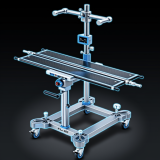
Mastering Veterinary Radiography The Essential Guide to X-ray Patient Positioners
Mastering Veterinary Radiography: The Essential Guide to X-ray Patient Positioners How advanced positioning technology is revolutionizing diagnostic accuracy in animal healthcare The Evolution of Veterinary Imaging Veterinary medicine has undergone a remarkable transformation over the past two decades, particularly in diagnostic imaging. What began with basic radiographic techniques has evolved into sophisticated digital systems requiring precise patient positioning. According to the American Veterinary Medical Association, diagnostic imaging now accounts for approximately 30% of all veterinary diagnostic procedures, with radiography maintaining its position as the most frequently utilized modality. The challenge has always been obtaining consistent, high-quality images while ensuring patient safety and minimizing stress. Traditional methods involving manual restraint and makeshift positioning devices often resulted in compromised images, repeated exposures, and increased radiation exposure for both patients and staff. What Exactly is a Veterinary X-ray Patient Positioner? A veterinary X-ray patient positioner is a specialized device designed to accurately position animals for radiographic examinations. Unlike human medicine where patients can follow instructions, veterinary radiography requires equipment that can accommodate various species, sizes, and temperaments while maintaining precise anatomical alignment. Modern positioners typically feature: Adjustable platforms with radiolucent surfaces Modular positioning aids (foam wedges, sandbags, troughs) Secure restraint systems that minimize stress Measurement guides for accurate centering Compatibility with both digital and traditional X-ray systems The American College of Veterinary Radiology emphasizes that proper positioning is not merely about convenience—it's fundamental to diagnostic accuracy. Even minor positioning errors can lead to misinterpretation of findings, potentially affecting treatment decisions. Technical Specifications and Design Considerations When evaluating veterinary positioners, several technical factors determine their effectiveness: Radiolucency: The platform material must not interfere with X-ray penetration. High-density polyethylene and carbon fiber composites have become industry standards, offering excellent radiolucency while maintaining structural integrity. Load Capacity: Veterinary practices need equipment that can accommodate everything from a 2kg cat to a 70kg dog. Premium positioners typically support 150kg+ with stability. Adjustability: Height adjustment mechanisms allow for proper alignment with X-ray tube heads, while tilt capabilities facilitate specialized views without repositioning the patient. Modern veterinary positioner with adjustable components and measurement guides A study published in the Journal of Veterinary Radiology & Ultrasound demonstrated that using dedicated positioning equipment reduced retake rates by 68% compared to manual positioning methods. This translates to significant time savings, reduced radiation exposure, and improved diagnostic confidence. Clinical Applications Across Veterinary Specialties The versatility of modern positioners makes them invaluable across various veterinary disciplines: Orthopedic Imaging Precise limb positioning is critical for evaluating fractures, joint diseases, and developmental conditions. Positioners with specialized limb holders and angle guides enable consistent orthogonal views essential for surgical planning. Thoracic Radiology Consistent positioning eliminates rotation artifacts that can mimic or mask pulmonary pathology. Dedicated thoracic positioners ensure proper sternal recumbency and symmetrical positioning for accurate cardiac and pulmonary assessment. Exotic Animal Medicine Specialized positioners with adjustable compartments and miniature positioning aids accommodate rabbits, reptiles, birds, and other exotic species that require unique positioning approaches. The Veterinary Practice News reports that clinics implementing comprehensive positioning systems see a 40% reduction in anesthesia time for radiographic procedures, as precise positioning reduces the need for multiple attempts and adjustments. Economic and Workflow Considerations Efficient workflow with dedicated positioning equipment in veterinary practice While the initial investment in quality positioning equipment may seem substantial, the return on investment becomes apparent through multiple channels: Reduced Retakes: Each retake represents wasted time, materials, and radiation exposure. Positioners dramatically decrease retake rates. Staff Efficiency: Technicians can position patients more quickly and consistently, increasing throughput. Diagnostic Confidence: Higher quality images lead to more accurate diagnoses, reducing the need for additional imaging studies. Staff Safety: Reduced manual handling decreases injury risk, while proper positioning minimizes radiation scatter exposure. According to data from the Washington State University Veterinary Clinical Sciences Radiology Department, clinics using dedicated positioning systems report an average time savings of 8-12 minutes per radiographic study. For a busy practice performing 15-20 radiographs daily, this translates to 2-4 additional hours of productive time each week. Future Developments in Veterinary Positioning Technology The future of veterinary patient positioning is moving toward greater integration and automation: Digital Integration Positioners with built-in digital measurement systems that communicate directly with X-ray generators to automatically calculate exposure settings based on patient size and position. AI-Assisted Positioning Systems using artificial intelligence to analyze patient anatomy and suggest optimal positioning parameters for specific diagnostic questions. Species-Specific Designs Modular systems with interchangeable components optimized for different animal families, from canine/feline to equine and exotic species. Industry analysts at Veterinary Practice News predict that within five years, integrated positioning systems will become standard in progressive veterinary practices, much as digital radiography replaced film-based systems over the past decade. Implementing Positioning Systems in Your Practice Transitioning to dedicated positioning equipment requires careful planning: Assess Your Needs: Consider the species you treat, volume of radiographs, and types of studies most frequently performed. Evaluate Space: Ensure your radiographic suite can accommodate the equipment while maintaining safe working distances. Staff Training: Proper utilization requires training on positioning principles and equipment operation. Quality Assurance: Establish protocols for regular equipment maintenance and positioning technique reviews. Gradual Implementation: Consider starting with basic positioning aids and expanding as your team becomes proficient. The AVMA recommends that practices developing their imaging capabilities consult with veterinary radiologists or experienced technicians when selecting positioning equipment to ensure it meets their specific clinical needs. The Bottom Line Veterinary X-ray patient positioners represent more than just convenience equipment—they are fundamental tools for diagnostic excellence. By ensuring consistent, accurate positioning, these systems improve image quality, enhance diagnostic confidence, increase workflow efficiency, and promote radiation safety. As veterinary medicine continues to advance, investing in proper positioning technology remains one of the most impactful decisions a practice can make for both patient care and operational success. References & Further Reading: American Veterinary Medical Association. (2023). Veterinary Medical Care Standards. American College of Veterinary Radiology. (2023). Positioning Guidelines for Diagnostic Imaging. Journal of Veterinary Radiology & Ultrasound. (2022). Impact of Positioning Equipment on Diagnostic Accuracy. Washington State University College of Veterinary Medicine. (2023). Clinical Radiology Efficiency Studies. © 2024 Veterinary Imaging Insights. All clinical information should be verified with licensed veterinary professionals.
2026-01-20 00:56:28

-
Welcome to Ruige
We are very pleased to introduce ourselves as very professional company with veterinary medical products all around the world. We offer wide range medical products including veterinary x ray machine, DR, ultrasound, Anesthesia machine, inspection machine and so on.
-
Reliable Partner
Reliable partner for your business with OEM/ODM services,Contributes to the world by providing high quality veterinary medical products to the hospitals and enhancing competitive advantage for business partners.
-
Keep Innovation
Our quality products are principally based on our continued innovation. We have invested large portion of sales profits to R&D section and committed to provide high level of veterinary medical technology.