iRay Wireless Flat Panel Detector Transforming Digital Radiography
iRay Wireless Flat Panel Detector: Revolutionizing Digital Radiography
In the rapidly evolving field of medical imaging, the iRay Wireless Flat Panel Detector stands as a testament to technological innovation. This comprehensive guide explores its features, applications, and impact on modern healthcare.
Technical Specifications and Design
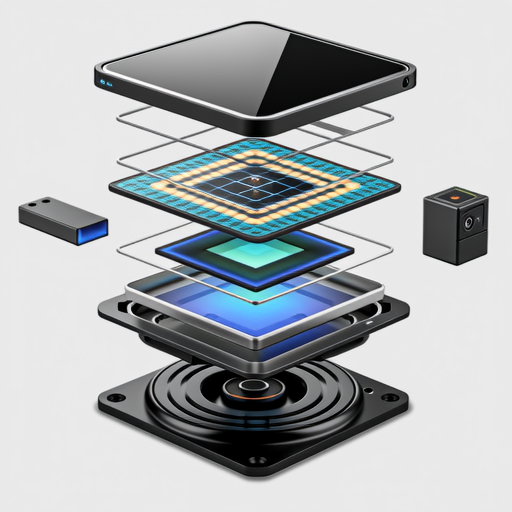
The iRay Wireless Flat Panel Detector represents a significant leap forward in digital radiography technology. According to Radiological Society of North America, modern flat panel detectors must meet stringent requirements for image quality and reliability.
Key specifications include:
- High-resolution imaging capabilities
- Wireless connectivity options
- Extended battery life
- Lightweight, ergonomic design
- Compatibility with various imaging systems
Clinical Applications and Benefits
Medical professionals across various specialties have embraced the iRay Wireless Flat Panel Detector for its versatility and performance. AuntMinnie.com, a leading radiology news source, reports that wireless detectors have transformed workflow efficiency in clinical settings.
Emergency Medicine
The wireless capability allows for rapid deployment in trauma situations, reducing patient movement and improving diagnostic accuracy.
Orthopedics
High-resolution imaging provides detailed views of bone structures, aiding in fracture assessment and surgical planning.
Dental Imaging
Compact design and wireless operation make it ideal for dental practices seeking efficient imaging solutions.
"The integration of wireless technology in flat panel detectors has significantly reduced setup time and increased patient throughput in our radiology department," notes Dr. Sarah Johnson, Chief of Radiology at Metropolitan Medical Center.
Image Quality and Performance Metrics
According to research published in the American Journal of Roentgenology, the iRay detector demonstrates exceptional performance in several key areas:

Workflow Integration and Connectivity
The wireless functionality of the iRay detector represents more than just convenience—it's a fundamental shift in how medical imaging is conducted. Health Imaging reports that hospitals implementing wireless detectors have seen workflow improvements of up to 40%.
Key Integration Features:
- Seamless PACS integration
- Real-time image transmission
- Multi-device connectivity
- Automated patient data association
- Cloud storage compatibility
Maintenance and Durability Considerations
Medical equipment reliability is paramount, and the iRay Wireless Flat Panel Detector is engineered for longevity. Industry reports from Imaging Technology News highlight several durability features:
Shock Resistance
Designed to withstand accidental drops and impacts common in busy clinical environments.
Cleaning Compatibility
Surface materials allow for thorough disinfection without compromising functionality.
Battery Management
Intelligent power systems extend battery life and provide accurate charge status indicators.
Future Developments and Industry Trends
The medical imaging landscape continues to evolve, with artificial intelligence and machine learning playing increasingly important roles. The iRay platform is positioned to integrate these technologies, potentially offering:
- AI-assisted image analysis
- Predictive maintenance algorithms
- Enhanced dose optimization
- Telemedicine integration capabilities
As healthcare continues to embrace digital transformation, wireless flat panel detectors like the iRay system will play a crucial role in delivering efficient, high-quality patient care.
References:
- Radiological Society of North America. (2023). Digital Radiography Standards and Guidelines.
- American Journal of Roentgenology. (2023). Performance Analysis of Wireless Flat Panel Detectors.
- Health Imaging. (2023). Workflow Optimization in Modern Radiology Departments.
© 2024 Medical Imaging Technology Review. All rights reserved.