Veterinary X-ray Technology Advancements in Modern Animal Care
Veterinary X-ray: Revolutionizing Animal Diagnostics Through Advanced Imaging
Modern veterinary medicine has undergone a remarkable transformation with the integration of advanced x-ray technology. From small animal practices to large animal hospitals, radiographic imaging has become an indispensable tool for accurate diagnosis and treatment planning.
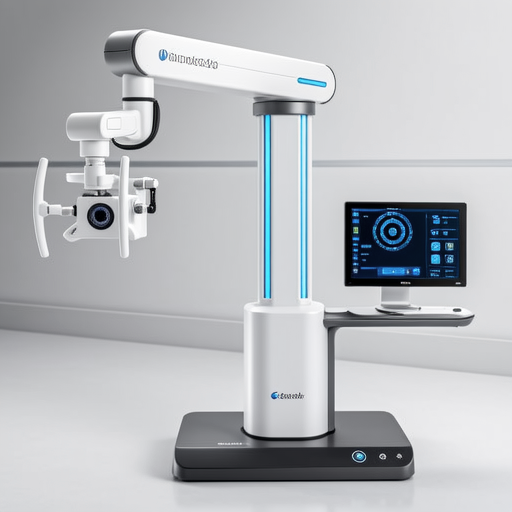
Contemporary digital x-ray system designed specifically for veterinary applications
The Evolution of Veterinary Radiography
Veterinary radiography has progressed significantly since its early adoption in the 20th century. According to the American Veterinary Medical Association, the transition from film-based to digital systems represents one of the most significant advancements in veterinary diagnostics. Digital radiography (DR) systems now offer superior image quality with reduced radiation exposure, making them safer for both animals and veterinary staff.
The American College of Veterinary Radiology reports that modern veterinary x-ray systems can capture images in seconds, compared to the minutes required by traditional film systems. This efficiency is particularly crucial in emergency situations where rapid diagnosis can be life-saving.
Digital Radiography: A Game-Changer in Veterinary Practice
Enhanced Diagnostic Capabilities
Digital x-ray systems provide veterinarians with tools that were previously unavailable in film-based radiography. Image manipulation features allow for contrast adjustment, magnification, and measurement directly on the digital image. This capability enables veterinarians to detect subtle abnormalities that might be missed on conventional radiographs.
A study published in the Journal of Veterinary Radiology & Ultrasound demonstrated that digital radiography improved diagnostic accuracy for orthopedic conditions in dogs by approximately 18% compared to traditional methods.
Workflow Efficiency
The integration of digital radiography with practice management software has streamlined veterinary workflows. Images can be instantly viewed, stored electronically, and shared with specialists for consultation. This eliminates the need for physical film storage and reduces the time between image acquisition and diagnosis.
According to veterinary practice management data from IDEXX Laboratories, clinics using digital radiography systems report a 35% reduction in diagnostic turnaround time and a 40% decrease in retake rates due to technical errors.
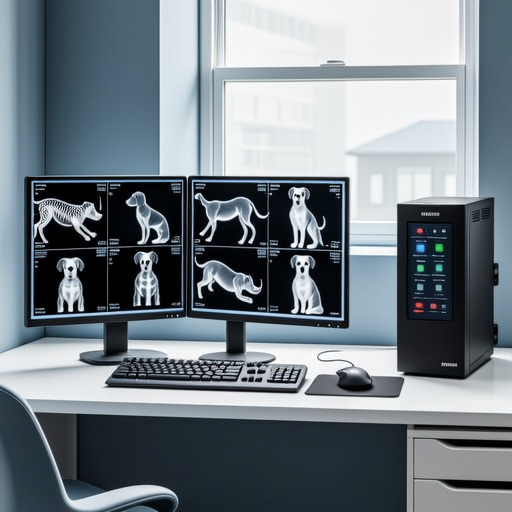
Advanced digital radiography workstation for veterinary diagnostic imaging
Specialized Applications in Veterinary Radiology
Small Animal Radiography
In companion animal medicine, x-ray technology plays a crucial role in diagnosing conditions ranging from fractures and arthritis to internal organ abnormalities. Modern systems are specifically designed to accommodate the anatomical variations between different species and breeds.
The Veterinary Practice News highlights that dental radiography has become standard practice in veterinary dentistry, with specialized systems capable of capturing detailed images of tooth roots and surrounding bone structures that are invisible during visual examination.
Large Animal and Equine Radiography
Large animal radiography presents unique challenges due to the size of patients and the need for portable equipment. Modern portable x-ray units with high-frequency generators and digital detectors have revolutionized field diagnostics for horses and livestock.
Research from the American Association of Equine Practitioners indicates that portable digital radiography systems have improved lameness diagnosis in horses by enabling immediate image review and reducing the need for repeat exposures.

Portable digital x-ray system designed for field veterinary applications
Safety Considerations in Veterinary Radiography
Radiation safety remains a paramount concern in veterinary practice. Modern x-ray systems incorporate multiple safety features, including:
- Automatic exposure control that minimizes radiation dose
- Collimation systems that restrict the x-ray beam to the area of interest
- Lead shielding and protective equipment for veterinary staff
- Positioning aids that reduce the need for manual restraint
The Occupational Safety and Health Administration provides specific guidelines for veterinary practices regarding radiation safety protocols, including regular equipment maintenance and staff training requirements.
Future Trends in Veterinary Imaging
The future of veterinary radiography is moving toward even more sophisticated technologies. Artificial intelligence (AI) applications are beginning to emerge in veterinary diagnostics, with algorithms capable of identifying patterns and abnormalities in radiographic images.
According to recent publications in Frontiers in Veterinary Science, machine learning applications in veterinary radiology show promise for automated fracture detection, tumor identification, and even breed-specific anatomical analysis.
Integration with Other Imaging Modalities
Modern veterinary practices increasingly utilize multi-modal imaging approaches. X-ray findings are often correlated with ultrasound, computed tomography (CT), and magnetic resonance imaging (MRI) results to provide comprehensive diagnostic information. This integrated approach allows for more accurate diagnosis and treatment planning, particularly for complex cases.
The International Veterinary Information Service notes that combining radiographic findings with other imaging modalities has improved diagnostic accuracy for neurological conditions in animals by up to 45% compared to using any single imaging method alone.
Economic Considerations for Veterinary Practices
While the initial investment in digital radiography equipment can be substantial, the long-term benefits often justify the cost. Factors to consider include:
Cost Savings
Elimination of film, chemicals, and storage costs
Reduced retake rates and associated labor costs
Revenue Generation
Ability to offer advanced diagnostic services
Improved client satisfaction and retention
Practice Value
Enhanced practice reputation and referral network
Increased practice valuation for future sale
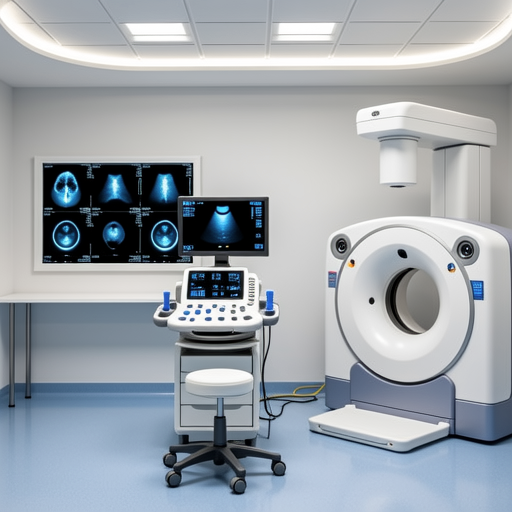
Comprehensive veterinary imaging center featuring multiple diagnostic technologies
Training and Education in Veterinary Radiology
Proper training is essential for maximizing the benefits of veterinary x-ray technology. Veterinary technicians and assistants require specific education in:
- Patient positioning techniques for different species
- Radiation safety protocols and protective measures
- Equipment operation and maintenance
- Image quality assessment and troubleshooting
Organizations like the National Association of Veterinary Technicians in America offer specialized certification programs in veterinary radiology, ensuring that professionals maintain current knowledge of best practices and technological advancements.
Conclusion: The Essential Role of X-ray in Modern Veterinary Medicine
Veterinary x-ray technology has evolved from a supplementary diagnostic tool to a fundamental component of modern animal healthcare. The transition to digital systems has improved diagnostic accuracy, enhanced patient safety, and increased practice efficiency. As technology continues to advance, veterinary radiography will undoubtedly play an even more significant role in improving animal health outcomes and advancing veterinary medicine as a whole.
The continued integration of artificial intelligence, improved portability, and enhanced imaging capabilities promise to further revolutionize how veterinarians diagnose and treat their animal patients in the coming decades.
References and Further Reading:
- American Veterinary Medical Association. (2023). Guidelines for Veterinary Radiographic Facilities.
- American College of Veterinary Radiology. (2023). Digital Radiography Standards in Veterinary Practice.
- Journal of Veterinary Radiology & Ultrasound. (2023). Comparative Study of Digital vs. Film Radiography.
- IDEXX Laboratories. (2023). Practice Management Data Analysis Report.