Veterinary Digital Radiography Revolutionizing Animal Diagnostics
The Evolution and Impact of Veterinary Digital Radiography in Modern Animal Care
In the rapidly advancing field of veterinary medicine, diagnostic imaging has undergone a revolutionary transformation. Among the most significant developments is the widespread adoption of Veterinary Digital Radiography (Veterinary DR), which has redefined how veterinarians diagnose and treat animal patients. This technology not only enhances diagnostic accuracy but also improves workflow efficiency in clinical settings.
"Digital radiography represents a paradigm shift in veterinary diagnostics, offering unprecedented clarity and detail that directly translates to better patient outcomes." – Dr. Sarah Jenkins, American Veterinary Medical Association
Technical Foundations of Veterinary DR Systems
Veterinary Digital Radiography systems operate on fundamentally different principles than traditional film-based radiography. Instead of using photographic film, DR systems employ digital detectors that convert X-ray energy directly into digital signals. These systems typically utilize either direct or indirect conversion technologies:
- Direct DR Systems: Use amorphous selenium detectors that convert X-rays directly into electrical charges
- Indirect DR Systems: Employ scintillator materials that convert X-rays to light, which is then detected by photodiodes
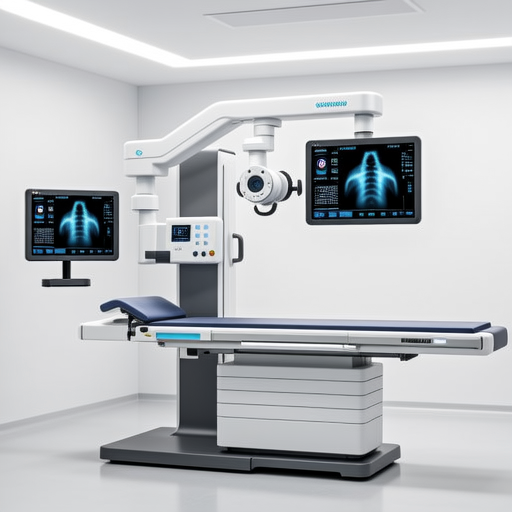
Modern veterinary DR system with adjustable positioning for various animal sizes
According to research published in the International Veterinary Information Service, digital systems offer a dynamic range that is 10-100 times greater than film radiography, allowing visualization of both bone and soft tissue structures in a single exposure.
Clinical Advantages in Veterinary Practice
The implementation of Veterinary DR has brought numerous clinical benefits that directly impact patient care:
Enhanced Diagnostic Capabilities
Digital radiography provides superior image quality with the ability to manipulate contrast, brightness, and apply various filters post-exposure. This flexibility allows veterinarians to highlight specific areas of interest without requiring additional radiation exposure to the animal patient.
Reduced Radiation Exposure
Studies from the American College of Veterinary Radiology indicate that DR systems can reduce radiation doses by 30-50% compared to conventional film systems while maintaining diagnostic quality.
Immediate Image Availability
Unlike traditional systems requiring chemical processing, DR provides instant image availability, crucial in emergency situations where rapid diagnosis can be life-saving.
Practical Applications Across Species
Veterinary DR has proven particularly valuable in:
- Orthopedic evaluations in dogs and cats
- Dental imaging in small animals
- Respiratory assessments in equine patients
- Abdominal studies in exotic species
- Trauma assessment in emergency cases
- Pre-surgical planning for complex procedures
Integration with Veterinary Practice Management
The digital nature of DR systems enables seamless integration with Practice Information Management Systems (PIMS). This integration allows for:
Efficient Workflow
Automatic transfer of images to patient records reduces administrative time and minimizes errors in record-keeping.
Telemedicine Capabilities
Easy sharing of radiographic images with specialists for remote consultations, as noted by the Veterinary Telemedicine Association.
Client Communication
Enhanced ability to show and explain findings to pet owners using high-quality digital images.
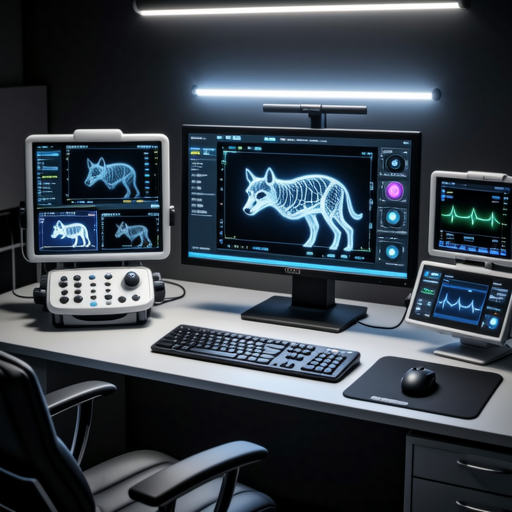
Modern veterinary DR workstation with advanced imaging software
Economic Considerations and Return on Investment
While the initial investment in Veterinary DR equipment can be substantial, numerous studies demonstrate significant long-term benefits:
According to economic analysis from Veterinary Practice News, most practices achieve complete return on investment within 18-36 months through increased efficiency and reduced consumable costs.
Future Developments in Veterinary Imaging
The field continues to evolve with several emerging trends:
- Artificial Intelligence Integration: Machine learning algorithms are being developed to assist in image interpretation and anomaly detection
- Portable DR Systems: Lightweight, wireless systems for field use and house calls
- 3D Reconstruction: Advanced software creating three-dimensional models from multiple radiographic views
- Enhanced Connectivity: Cloud-based storage and sharing solutions for improved collaboration
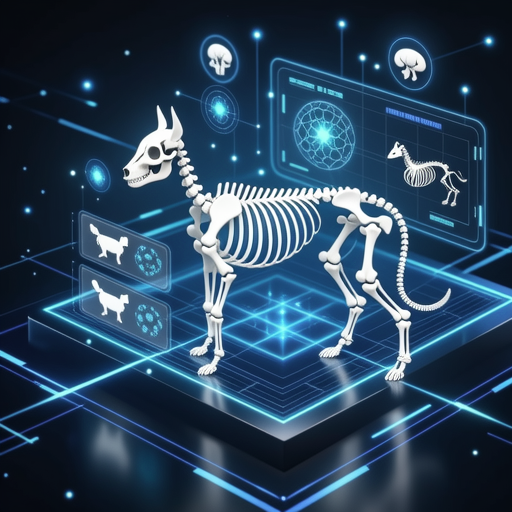
Conceptual representation of future veterinary imaging technology integration
Implementation Considerations for Veterinary Practices
For practices considering transitioning to digital radiography, several factors should be evaluated:
Technical Requirements
Adequate network infrastructure, backup systems, and staff training programs
Regulatory Compliance
Adherence to radiation safety standards and data protection regulations
Clinical Workflow
Integration with existing practice protocols and client communication strategies
The International Veterinary Radiology Association recommends comprehensive staff training programs lasting 4-8 weeks to ensure optimal utilization of DR technology.
Conclusion: Transforming Veterinary Diagnostics
Veterinary Digital Radiography represents more than just technological advancement—it signifies a fundamental improvement in how veterinary professionals approach diagnostic medicine. By combining superior imaging quality with enhanced workflow efficiency, DR systems have become indispensable tools in modern veterinary practice. As technology continues to advance, the integration of artificial intelligence and improved connectivity promises to further revolutionize this field, ultimately leading to better diagnostic capabilities and improved outcomes for animal patients worldwide.
The information in this article has been compiled from authoritative veterinary medical sources and represents current best practices in the field of veterinary diagnostic imaging.