The Art and Science of Veterinary Anesthesia Machines: Ensuring Safe Procedures for Animal Patients
When we think about veterinary medicine, images of compassionate care, diagnostic tools, and surgical precision often come to mind. Yet, one of the most critical pieces of equipment in any modern veterinary clinic or hospital remains somewhat behind the scenes: the veterinary anesthesia machine. This sophisticated device is the cornerstone of safe surgical and diagnostic procedures, allowing veterinarians to perform everything from routine spays and neuters to complex orthopedic surgeries with confidence and precision.
"The anesthesia machine is not just equipment; it's a lifeline for our animal patients during procedures. Its proper function and our understanding of it directly impact patient safety and surgical outcomes." — Dr. Sarah Jenkins, Board-Certified Veterinary Anesthesiologist
Understanding the Core Components
Modern veterinary anesthesia machines are marvels of medical engineering, designed specifically for the unique physiological needs of different animal species. Unlike human anesthesia systems, these machines must accommodate patients ranging from a 2-gram hummingbird to a 2,000-pound horse, requiring remarkable versatility and precision.
The fundamental components include:
- Gas Delivery System: This includes oxygen and anesthetic gas (typically isoflurane or sevoflurane) sources, flowmeters, and vaporizers that precisely control the concentration of anesthetic delivered to the patient.
- Breathing Circuit: The pathway through which gases travel between the machine and the patient's airway. Common systems include rebreathing circuits (circle systems) for larger animals and non-rebreathing circuits for smaller patients.
- Ventilator: Mechanical breathing support that maintains proper respiration during procedures, especially important for prolonged surgeries or patients with respiratory compromise.
- Monitoring Systems: Integrated monitors that track vital parameters including oxygen saturation, end-tidal carbon dioxide, blood pressure, and electrocardiogram readings.
- Scavenging System: Essential for protecting veterinary staff from exposure to waste anesthetic gases, which can have long-term health effects with chronic exposure.
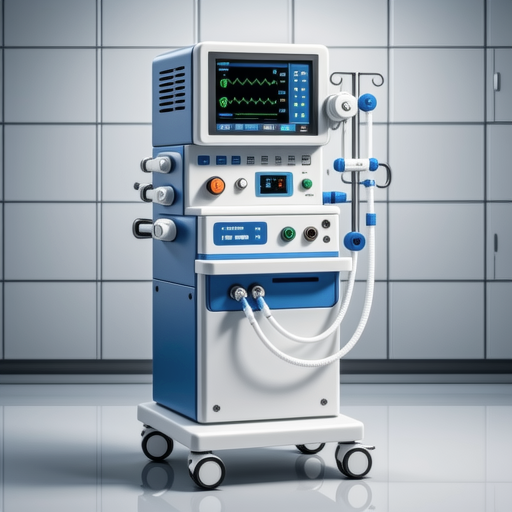
A modern veterinary anesthesia machine with integrated monitoring displays and adjustable components for different animal sizes.
Species-Specific Considerations
One of the most fascinating aspects of veterinary anesthesia is the need to adapt techniques and equipment to diverse species. According to the American Veterinary Medical Association, proper anesthetic management requires understanding species-specific physiology, drug metabolism, and potential complications.
For small animals like dogs and cats, precision vaporizers and appropriate breathing circuits are essential. The American College of Veterinary Internal Medicine emphasizes that even within these species, breed-specific considerations (like brachycephalic breeds with compromised airways) require specialized approaches.
Large animal anesthesia presents entirely different challenges. Equine anesthesia, for instance, often requires specialized large animal machines with higher flow capacities and different circuit designs. The risk of complications like myopathy or neuropathy during recovery makes monitoring and support during emergence particularly critical.
Exotic species—birds, reptiles, small mammals—require perhaps the most specialized knowledge. Their unique respiratory systems (like the air sac system in birds) and metabolic rates demand carefully calibrated equipment and techniques. As noted in the Journal of Veterinary Anesthesia and Analgesia, these patients often benefit from non-rebreathing systems and precise monitoring of very small volumes.
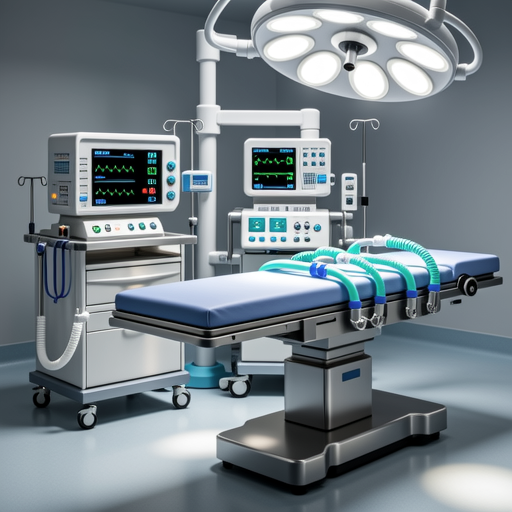
Specialized equine anesthesia equipment in a large animal surgical suite, showing scale-appropriate components.
Technological Advancements and Safety Features
The evolution of veterinary anesthesia machines over the past two decades has been nothing short of revolutionary. Modern systems incorporate digital technology, integrated monitoring, and safety features that were unimaginable just a generation ago.
Key advancements include:
- Integrated Monitoring Systems: Today's machines often include capnography, pulse oximetry, blood pressure monitoring, and ECG in a single interface, allowing for comprehensive patient assessment without multiple separate devices.
- Low-Flow Anesthesia Capabilities: Advanced systems can maintain anesthesia with minimal fresh gas flows, reducing anesthetic waste, environmental impact, and cost while maintaining patient stability.
- Pressure-Limiting Features: Automatic pressure relief valves and adjustable pressure limiters protect patients from barotrauma, particularly important for small or fragile patients.
- Data Logging and Connectivity: Many modern machines can record anesthetic parameters throughout procedures, creating valuable records for patient files and potential research applications.
- User-Friendly Interfaces: Touchscreen controls and intuitive displays have made these complex machines more accessible to veterinary technicians and practitioners.
The FDA's Center for Veterinary Medicine provides guidelines on proper maintenance and calibration of these devices, emphasizing that regular servicing and quality assurance are essential for patient safety.
Best Practices in Clinical Application
Proper use of veterinary anesthesia machines extends far beyond simply turning them on. A comprehensive approach includes pre-anesthetic assessment, machine check protocols, intraoperative monitoring, and post-anesthetic care.
The American College of Veterinary Anesthesia and Analgesia recommends a systematic approach to machine checks before every procedure:
- Verify oxygen supply and backup availability
- Check vaporizer filling and function
- Test breathing circuit integrity
- Confirm scavenging system operation
- Validate monitor calibration and function
During procedures, the anesthesia machine becomes the centerpiece of a comprehensive monitoring strategy. As noted in multiple studies published in Veterinary Anaesthesia and Analgesia, continuous monitoring of respiratory parameters, cardiovascular status, and anesthetic depth significantly reduces complication rates across all species.
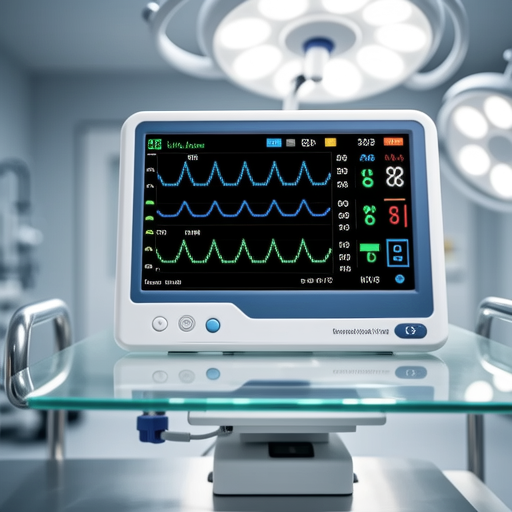
Modern digital anesthesia monitoring interface showing multiple vital parameters simultaneously.
Training and Education: The Human Element
Even the most advanced anesthesia machine is only as effective as the personnel operating it. Comprehensive training for veterinarians and veterinary technicians is essential for safe anesthetic management.
Many veterinary schools now incorporate hands-on anesthesia machine training into their core curriculum. Additionally, organizations like the National Association of Veterinary Technicians in America offer specialized credentials in anesthesia for technicians who wish to develop expertise in this critical area.
Continuing education remains vital as technology evolves. Manufacturers often provide training on new equipment, and veterinary conferences regularly feature workshops on anesthetic techniques and machine operation. The Veterinary Information Network offers numerous online resources and courses on anesthesia topics, making advanced education accessible to practitioners worldwide.
Future Directions and Innovations
The future of veterinary anesthesia machines looks toward greater integration, intelligence, and adaptability. Emerging technologies include:
- Closed-Loop Anesthesia Systems: These systems automatically adjust anesthetic delivery based on real-time patient monitoring, potentially reducing human error and optimizing anesthetic depth.
- Enhanced Portability: Compact, battery-operated systems for field use in large animal or wildlife medicine are becoming increasingly sophisticated.
- Tele-anesthesia Capabilities: Remote monitoring and consultation features that allow specialists to assist with complex cases from a distance.
- Environmental Sustainability: New systems designed to minimize greenhouse gas emissions from anesthetic gases while maintaining patient safety.
- Species-Specific Algorithms: Machine learning applications that can adapt anesthetic protocols based on species, breed, age, and individual patient characteristics.
Research published in the Frontiers in Veterinary Science journal suggests that these innovations will continue to improve patient outcomes while making advanced anesthesia care more accessible to veterinary practices of all sizes.
Key Takeaways for Veterinary Professionals
- Regular maintenance and calibration of anesthesia machines are non-negotiable for patient safety
- Species-specific knowledge must inform machine selection and settings
- Integrated monitoring provides a more complete picture of patient status
- Continuing education in anesthetic techniques and equipment is essential
- Proper scavenging protects both patients and veterinary staff
Conclusion: More Than Just Equipment
The veterinary anesthesia machine represents a remarkable intersection of engineering, medicine, and compassion. It's a tool that enables veterinarians to alleviate suffering, perform life-saving procedures, and advance the science of animal health care. From the precision required for a tiny hamster to the robust systems needed for a draft horse, these machines embody the adaptability and dedication of the veterinary profession.
As technology continues to evolve, so too will our capabilities to provide safe, effective anesthesia for all animal patients. The ongoing collaboration between veterinary professionals, engineers, and researchers ensures that future generations of anesthesia machines will be even more sophisticated, intuitive, and safe—ultimately benefiting the animals we are privileged to care for.
This article draws on information from leading veterinary organizations and peer-reviewed journals. Always consult with a qualified veterinarian or board-certified veterinary anesthesiologist for specific medical advice or equipment recommendations.