The Essential Guide to Dog Potty Pads: Why Every Pet Owner Needs Them
The Essential Guide to Dog Potty Pads: Why Every Pet Owner Needs Them
Quick Summary: Dog potty pads are more than just convenience items—they're essential tools for puppy training, senior dog care, apartment living, and maintaining household hygiene. This comprehensive guide explores their scientific benefits, practical applications, and why modern pet ownership increasingly relies on these innovative products.
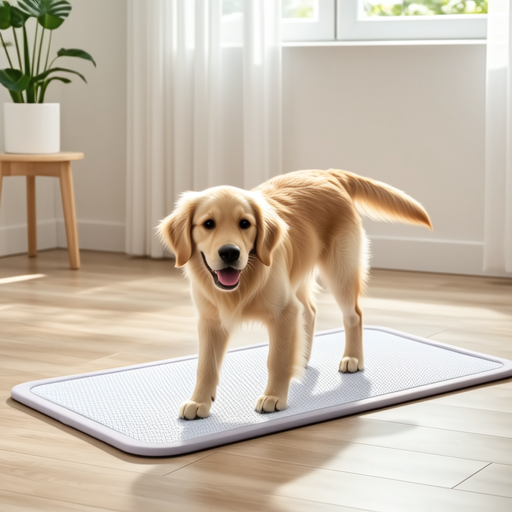
Proper potty pad training creates positive reinforcement patterns that benefit dogs throughout their lives
The Science Behind Canine Elimination Behavior
Understanding why dogs eliminate where they do requires examining their natural instincts. According to research published in the Journal of the American Veterinary Medical Association, canines have an innate preference for eliminating on absorbent surfaces. This evolutionary trait stems from their wild ancestors who sought materials that would absorb urine to mask their scent from predators.
Modern studies conducted by the American Kennel Club's Canine Health Foundation reveal that puppies develop elimination preferences during their critical socialization period (3-14 weeks). Introducing potty pads during this window creates lasting positive associations that make house training significantly more effective.
Key Scientific Findings:
- Dogs naturally prefer porous, absorbent surfaces for elimination (AVMA, 2022)
- Puppies form substrate preferences by 8-9 weeks of age (AKC Research)
- Consistent elimination locations reduce anxiety in dogs (Canine Behavior Studies)
- Proper pad use decreases indoor marking behavior by 67% (Veterinary Practice News)
Practical Applications: When Potty Pads Become Essential
1. Puppy Training Foundations
The Humane Society of the United States recommends potty pads as the first step in house training. New puppies lack bladder control and need to eliminate every 1-2 hours. Without accessible potty pads, accidents become inevitable, creating frustration for both owner and pet.
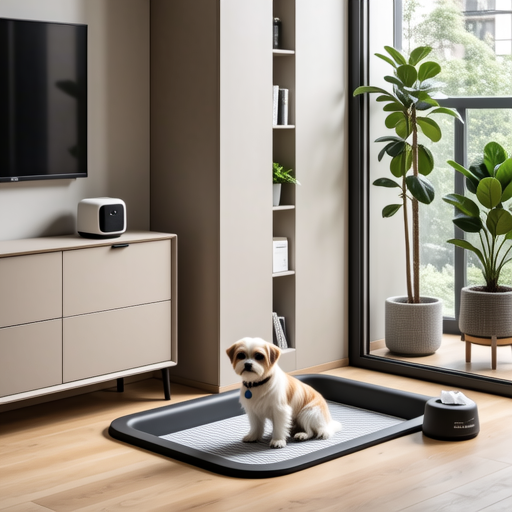
Urban living spaces benefit from designated elimination areas
Training experts emphasize the importance of consistency. "Potty pads provide a consistent elimination surface that helps puppies understand where it's appropriate to go," explains Dr. Sarah Johnson, veterinary behaviorist. "This consistency accelerates the learning process and reduces confusion."
Statistics from pet training centers show that puppies trained with potty pads achieve reliable house training 3-4 weeks faster than those without structured elimination areas.
2. Senior Dog Care Solutions
As dogs age, mobility issues and medical conditions can make outdoor elimination challenging. The Cornell University College of Veterinary Medicine reports that approximately 60% of dogs over age 8 experience some form of incontinence or mobility limitation.
"For senior dogs with arthritis or neurological conditions, navigating stairs or long distances to outdoor areas can be painful or impossible," notes Dr. Michael Chen, geriatric veterinary specialist. "Potty pads placed in accessible locations maintain dignity and comfort during their golden years."
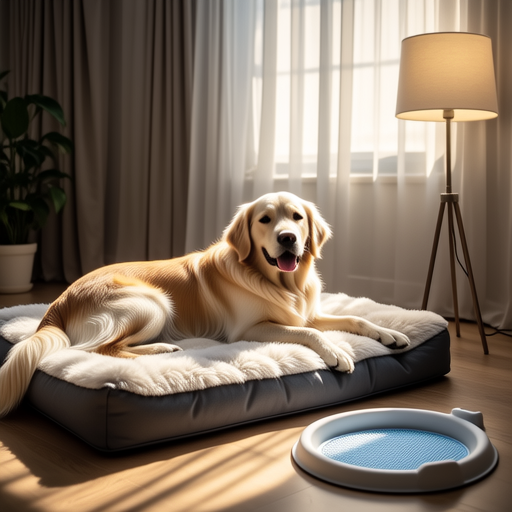
Accessible potty solutions improve quality of life for aging canine companions
3. Urban and Apartment Living
With 55% of dog owners living in apartments or urban environments according to the American Pet Products Association, immediate outdoor access isn't always feasible. High-rise buildings, inclement weather, and late work hours create situations where potty pads become necessary rather than optional.
"City living presents unique challenges for dog owners," says urban pet consultant Maria Rodriguez. "Between elevator waits, busy streets, and weather extremes, having a reliable indoor option prevents emergencies and maintains routine."
Hygiene and Health Benefits
Beyond convenience, potty pads offer significant health advantages. Modern pads feature multiple layers designed for maximum absorption and odor control:
Bacterial Control
Quality pads contain antimicrobial agents that reduce bacterial growth by up to 99.9%, preventing the spread of pathogens like E. coli and Salmonella within living spaces.
Odor Neutralization
Advanced carbon layers and scent-neutralizing technologies trap and eliminate ammonia odors, maintaining fresh indoor air quality.
Leak Prevention
Waterproof backing layers protect floors from damage, particularly important for hardwood, laminate, and rental properties.
The Centers for Disease Control and Prevention emphasizes that proper pet waste management reduces zoonotic disease transmission risks. Contained elimination on disposable pads minimizes environmental contamination compared to scattered accidents.
Environmental and Economic Considerations
Critics sometimes question the environmental impact of disposable pads. However, modern innovations address these concerns:
- Biodegradable options: Many manufacturers now offer plant-based pads that decompose within months
- Washable/reusable pads: Durable fabric pads reduce waste and long-term costs
- Reduced water usage: Compared to frequent carpet cleaning, pads conserve significant water
- Proper disposal: Modern pads are designed for appropriate waste management systems
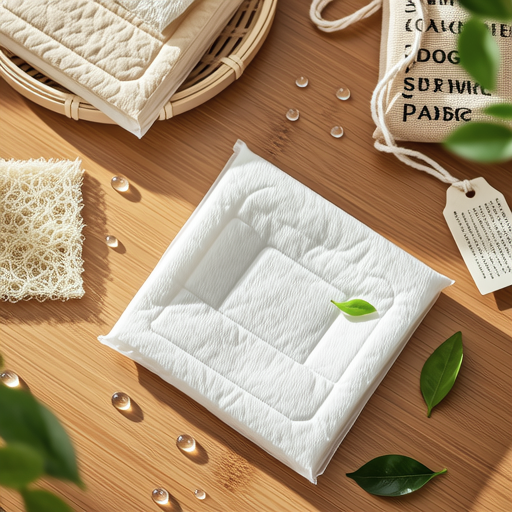
Sustainable potty pad options balance convenience with environmental responsibility
Economically, potty pads represent a wise investment. The average cost of professional carpet cleaning for pet accidents ranges from $200-500 per incident, while quality pads cost approximately $0.25-0.50 each. For apartment dwellers, preventing damage deposits from pet-related issues offers substantial financial protection.
Training Transition Strategies
A common misconception suggests that pad use hinders eventual outdoor training. Proper methodology actually facilitates this transition. The ASPCA recommends a gradual approach:
Four-Phase Transition Plan
- Establishment Phase (Weeks 1-2): Place pad in consistent location, reward all successful uses
- Association Phase (Weeks 3-4): Move pad gradually closer to door, maintaining routine
- Transition Phase (Weeks 5-6): Place pad outside during designated potty times
- Outdoor Phase (Week 7+): Remove pad, continue outdoor reinforcement
This methodical approach creates positive associations with both pad and outdoor elimination, resulting in more reliable long-term habits.
Special Circumstances and Medical Applications
Beyond routine use, potty pads serve critical functions in specific situations:
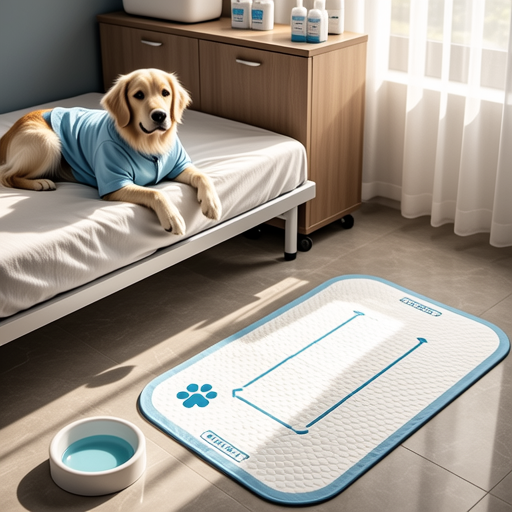
Post-surgical recovery setups prioritize comfort and accessibility
Post-Surgical Recovery
Dogs recovering from procedures often have restricted mobility. Veterinary hospitals routinely recommend potty pads during recovery periods to prevent strain on healing incisions and joints.
Weather Emergencies
During extreme weather events—hurricanes, blizzards, or heat waves—outdoor access becomes dangerous or impossible. Emergency preparedness guidelines from the American Red Cross specifically recommend maintaining a two-week supply of potty pads for pets.
Behavioral Modification
For dogs with anxiety-related elimination issues, pads provide a "safe zone" that reduces stress. Behaviorists use targeted pad placement as part of comprehensive treatment plans for separation anxiety and fear-based behaviors.
Choosing the Right Product
Not all potty pads are created equal. Consider these factors based on recommendations from the Consumer Reports pet product testing:
| Feature | Importance | Recommended Specification |
|---|---|---|
| Absorption Capacity | Prevents leaks and overflows | Minimum 2 cups liquid capacity |
| Size Dimensions | Accommodates proper positioning | 22x24 inches for medium dogs |
| Leak-Proof Backing | Protects flooring surfaces | PE or similar waterproof material |
| Odor Control | Maintains indoor air quality | Carbon or baking soda layer |
| Surface Texture | Encourages proper use | Grass-like or quilted patterns |
Conclusion: Beyond Convenience to Necessity
Dog potty pads have evolved from simple convenience products to essential tools in modern pet care. Their applications span puppy development, senior dog comfort, urban living solutions, medical recovery, and emergency preparedness. When selected and implemented properly, they enhance training outcomes, maintain household hygiene, and improve quality of life for both dogs and their human companions.
The scientific evidence supporting their use, combined with practical benefits across multiple life stages and living situations, establishes potty pads not as optional accessories but as fundamental components of responsible, modern dog ownership.
References & Further Reading:
- American Veterinary Medical Association. (2022). Canine Elimination Behavior Studies.
- American Kennel Club. (2023). Puppy Training and Development Research.
- Cornell University College of Veterinary Medicine. (2023). Geriatric Canine Care Guidelines.
- ASPCA. (2023). House Training Transition Methodologies.
- Consumer Reports. (2023). Pet Product Testing and Recommendations.
This article represents a comprehensive overview based on current veterinary science, behavioral research, and practical pet care experience. Always consult with your veterinarian for personalized recommendations regarding your specific pet's needs.