Revolutionizing Veterinary Diagnostics The Power of Flat Panel Detectors
Revolutionizing Veterinary Diagnostics: The Power of Flat Panel Detectors
In the rapidly evolving field of veterinary medicine, diagnostic imaging has undergone a transformative shift with the advent of digital radiography. At the heart of this revolution lies the veterinary flat panel detector (FPD), a technology that has redefined how veterinarians capture, analyze, and interpret radiographic images. Unlike traditional film-based systems or computed radiography (CR), FPDs offer unparalleled image quality, efficiency, and diagnostic accuracy, making them indispensable in modern veterinary practices.
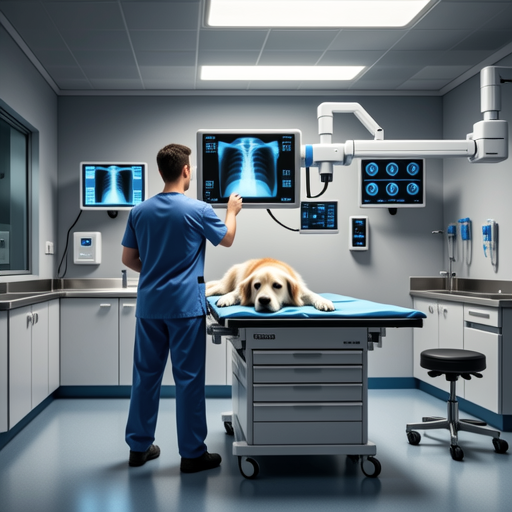
A modern veterinary clinic utilizing a flat panel detector system for precise diagnostic imaging.
What is a Veterinary Flat Panel Detector?
A veterinary flat panel detector is a digital X-ray sensor that converts X-ray photons into electronic signals, producing high-resolution images almost instantaneously. These detectors come in two primary types: indirect conversion detectors, which use a scintillator layer to convert X-rays to visible light, and direct conversion detectors, which convert X-rays directly into electrical charges. According to the American Veterinary Medical Association (AVMA), the adoption of digital radiography, including FPDs, has increased by over 60% in the past decade, driven by their superior performance and workflow benefits.
Key Advantages in Veterinary Practice
Flat panel detectors offer numerous advantages that enhance veterinary diagnostics:
- Superior Image Quality: FPDs provide high spatial resolution and contrast, allowing for detailed visualization of anatomical structures, from fine bone fractures to soft tissue abnormalities.
- Rapid Image Acquisition: Images are available within seconds, reducing patient stress and enabling quicker decision-making in emergency cases.
- Enhanced Workflow Efficiency: With no need for film processing or cassette handling, FPDs streamline the imaging process, saving time and resources.
- Lower Radiation Exposure: Digital systems often require less radiation to produce diagnostic images, benefiting both patients and staff.
- Integration with Digital Systems: FPDs seamlessly integrate with practice management software and picture archiving and communication systems (PACS), facilitating easy storage, retrieval, and sharing of images.
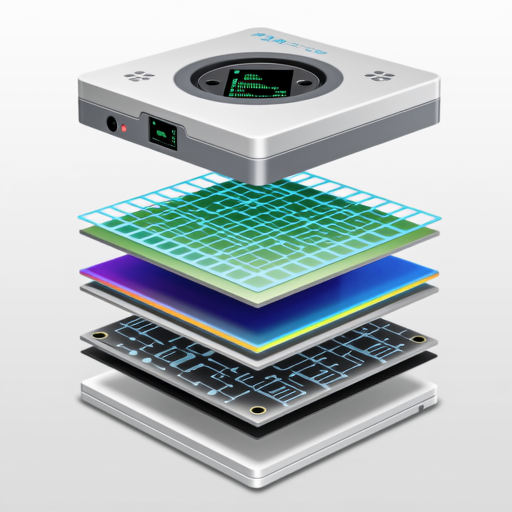
Technical diagram illustrating the components and workflow of a flat panel detector system.
Applications Across Veterinary Specialties
Flat panel detectors are versatile tools used in various veterinary settings:
- Small Animal Practice: Commonly used for orthopedic evaluations, dental imaging, and detecting foreign bodies in pets.
- Equine Medicine: Essential for diagnosing lameness, joint issues, and respiratory conditions in horses, with portable FPDs enabling field imaging.
- Exotic and Zoo Animals: Facilitates non-invasive diagnostics for species ranging from birds to reptiles, where traditional methods may be challenging.
- Research and Education: Supports veterinary schools and research institutions in teaching and studying animal anatomy and diseases.
A study published by the National Center for Biotechnology Information (NCBI) highlights that digital radiography, including FPDs, improves diagnostic accuracy by up to 30% compared to analog systems, particularly in complex cases like spinal injuries or tumor detection.
Technical Considerations and Selection Criteria
When choosing a veterinary flat panel detector, several factors should be considered:
- Detector Size and Portability: Options range from small, handheld detectors for dental use to large panels for full-body imaging. Portable models are ideal for equine or farm animal practices.
- Image Resolution and Dynamic Range: Higher resolution (measured in pixels) and wider dynamic range allow for better detail and contrast in images.
- Durability and Maintenance: Veterinary environments demand robust, easy-to-clean detectors that withstand frequent use.
- Compatibility and Integration: Ensure the FPD works with existing X-ray generators and software systems in your practice.
- Cost and ROI: While initial investment may be higher than CR systems, FPDs offer long-term savings through reduced consumables and increased efficiency.
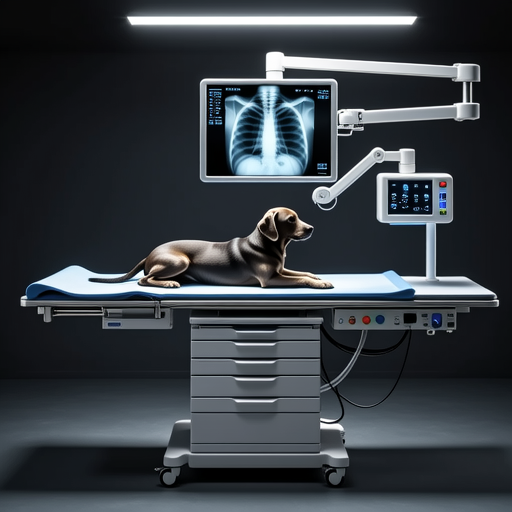
Veterinary X-ray setup featuring a flat panel detector for high-quality imaging.
Future Trends and Innovations
The future of veterinary flat panel detectors is marked by ongoing advancements:
- Wireless Technology: Wireless FPDs are gaining popularity for their flexibility and ease of use in diverse settings.
- Artificial Intelligence Integration: AI algorithms are being developed to assist in image analysis, potentially automating detection of common pathologies.
- Enhanced Portability: Lightweight, battery-operated detectors are making imaging more accessible in remote or field conditions.
- Improved Dose Management: Advanced sensors and software are optimizing radiation doses without compromising image quality.
According to the U.S. Food and Drug Administration (FDA), regulatory standards for veterinary imaging devices continue to evolve, ensuring safety and efficacy as technology progresses.
Conclusion
Veterinary flat panel detectors represent a cornerstone of modern diagnostic imaging, offering significant improvements over traditional methods. With benefits such as enhanced image quality, faster workflows, and reduced radiation exposure, they are transforming veterinary care across specialties. As technology advances, FPDs are poised to become even more integral to veterinary practice, driving better outcomes for animals and their caregivers. For veterinarians looking to upgrade their imaging capabilities, investing in a flat panel detector is a strategic move toward more efficient, accurate, and compassionate care.
This article is based on information from authoritative sources in veterinary medicine and radiology. For further details, consult professional organizations or manufacturers specializing in veterinary imaging technology.