Modern Veterinary Hospitals Comprehensive Guide Advanced Pet Care Facilities
The Comprehensive Guide to Modern Veterinary Hospitals: Beyond Basic Pet Care
When you walk into a contemporary veterinary hospital today, you're entering a facility that has evolved far beyond the traditional "animal clinic" of decades past. Modern veterinary medicine combines cutting-edge technology with compassionate care, creating environments where pets receive treatment comparable to human healthcare standards.

Modern veterinary hospitals feature welcoming designs that reduce stress for both pets and owners
The Evolution of Veterinary Facilities
According to the American Veterinary Medical Association (AVMA), the number of accredited veterinary hospitals in the United States has increased by 42% over the past decade. This growth reflects not just increased pet ownership, but also higher standards of care. Today's facilities must meet rigorous accreditation standards that cover everything from surgical suites to diagnostic equipment.
Dr. Sarah Jenkins, a board-certified veterinary surgeon interviewed by Veterinary Practice News, notes: "The transformation has been remarkable. We've moved from basic examination rooms to comprehensive medical centers with digital radiography, ultrasound, in-house laboratories, and even specialized equipment like endoscopes and dental stations."
Essential Departments in a Full-Service Veterinary Hospital
Emergency and Critical Care
Modern hospitals maintain 24/7 emergency services with dedicated trauma bays, oxygen therapy units, and continuous monitoring equipment. The Veterinary Emergency and Critical Care Society sets standards for these life-saving departments.
Diagnostic Imaging Center
Digital X-ray systems, ultrasound machines, and in some advanced facilities, CT scanners and MRI units provide non-invasive diagnostic capabilities. These technologies allow for earlier detection of conditions ranging from fractures to internal tumors.
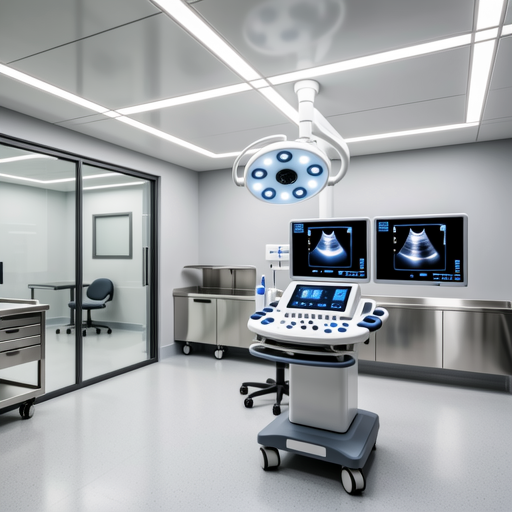
State-of-the-art diagnostic equipment enables precise medical assessments
Specialized Care Services
Contemporary veterinary hospitals offer specialized departments that mirror human medical specialties:
- Oncology: Cancer treatment centers with chemotherapy protocols, radiation therapy (in some facilities), and palliative care options
- Cardiology: Echocardiography, ECG monitoring, and management of heart conditions
- Dentistry: Digital dental radiography, periodontal treatment, and oral surgery
- Physical Rehabilitation: Underwater treadmills, therapeutic lasers, and acupuncture services
- Behavioral Medicine: Specialists addressing anxiety, aggression, and other behavioral issues
The American College of Veterinary Internal Medicine reports that specialized care has improved survival rates for many conditions by 30-50% compared to just a decade ago.
The Importance of Accreditation and Standards
Not all veterinary facilities are created equal. The American Animal Hospital Association (AAHA) accreditation is considered the gold standard, with only 12-15% of veterinary hospitals in North America meeting their rigorous requirements. AAHA evaluates over 900 standards across areas including:
Technology Transforming Veterinary Care
The integration of technology has revolutionized how veterinary hospitals operate:
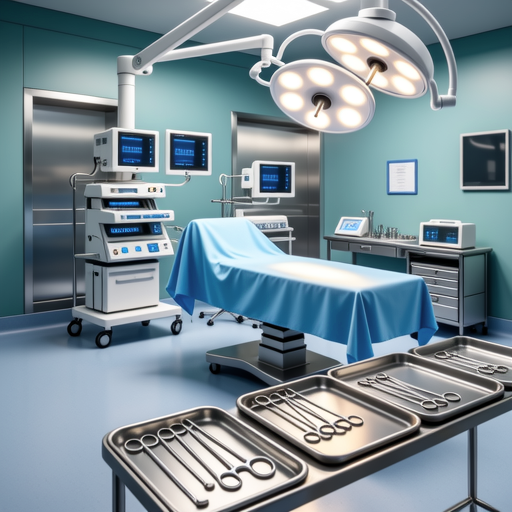
Advanced surgical suites enable complex procedures with minimal invasiveness
Telemedicine: Following guidelines from the Florida Veterinary Medical Association and other regulatory bodies, many hospitals now offer virtual consultations for follow-up visits, behavioral assessments, and triage services.
Electronic Medical Records: Comprehensive digital systems track patient histories, medications, lab results, and treatment plans, improving continuity of care and reducing medical errors.
Advanced Monitoring: Continuous vital sign monitoring during procedures, similar to human anesthesiology standards, has become standard in accredited facilities.
The Human-Animal Bond in Hospital Design
Modern veterinary hospital design recognizes the emotional connection between pets and their owners. Features now commonly include:
- Separate waiting areas for cats and dogs to reduce stress
- Comfort rooms for difficult conversations and euthanasia services
- Visitation areas for hospitalized patients
- Pheromone diffusers and sound masking systems to create calming environments
- Outdoor relief areas with secure fencing
Research published in the Journal of the American Veterinary Medical Association demonstrates that these design considerations significantly reduce stress-related complications in patients.
Choosing the Right Veterinary Hospital
When selecting a veterinary hospital for your pet, consider these factors recommended by veterinary professionals:
Key Selection Criteria
Accreditation Status: Look for AAHA accreditation or equivalent standards in your region
Emergency Coverage: Determine if the hospital provides 24/7 emergency services or has reliable referral relationships
Specialist Availability: Check if board-certified specialists are on staff or available for consultations
Technology Investment: Inquire about diagnostic and treatment equipment available on-site
Staff Qualifications: Ask about the credentials of veterinarians and technical staff
Client Communication: Evaluate how the hospital handles updates, education, and follow-up care
The Future of Veterinary Hospitals
Looking ahead, veterinary hospitals are likely to incorporate even more advanced technologies. According to industry analysis from Veterinary Business Advisors, emerging trends include:
3D Printing
Custom implants, surgical guides, and anatomical models for surgical planning
Regenerative Medicine
Stem cell therapies and platelet-rich plasma treatments for orthopedic conditions
Artificial Intelligence
AI-assisted diagnostic imaging analysis and predictive analytics for disease prevention

Rehabilitation services help pets recover mobility and quality of life after injury or surgery
Conclusion: A New Standard of Care
The modern veterinary hospital represents a convergence of medical excellence, technological innovation, and compassionate care. These facilities have evolved from simple treatment centers to comprehensive medical institutions capable of managing complex health conditions across species.
As pet owners increasingly view their animals as family members, the demand for advanced veterinary care continues to grow. The veterinary hospitals meeting this demand are those investing in accreditation, technology, specialized staff, and facilities designed with both patient and client experience in mind.
Whether you're seeking routine preventive care, managing a chronic condition, or facing a medical emergency, today's veterinary hospitals offer resources and expertise that were unimaginable just a generation ago. By understanding what constitutes a quality veterinary facility, pet owners can make informed decisions that optimize their companions' health and wellbeing throughout their lives.
Note: This article references standards and guidelines from accredited veterinary organizations. Always consult with licensed veterinary professionals for specific medical advice regarding your pet's health.