Mastering Pet Potty Pads: A Comprehensive Guide to Effective Usage
Mastering Pet Potty Pads: A Comprehensive Guide to Effective Usage
Pet potty pads, also known as training pads or pee pads, have become indispensable tools for modern pet owners. Whether you're raising a new puppy, caring for an elderly dog, or managing a multi-pet household, understanding how to use these pads effectively can transform your daily routine. This guide combines practical experience with insights from veterinary professionals to help you optimize pad usage.
Why Proper Pad Usage Matters
According to the American Veterinary Medical Association, consistent bathroom habits contribute significantly to a pet's overall wellbeing. Potty pads, when used correctly, can:
- Accelerate house training for puppies
- Provide relief for senior pets with mobility issues
- Create designated bathroom areas in apartments
- Reduce stress during inclement weather
Strategic Placement: The Foundation of Success
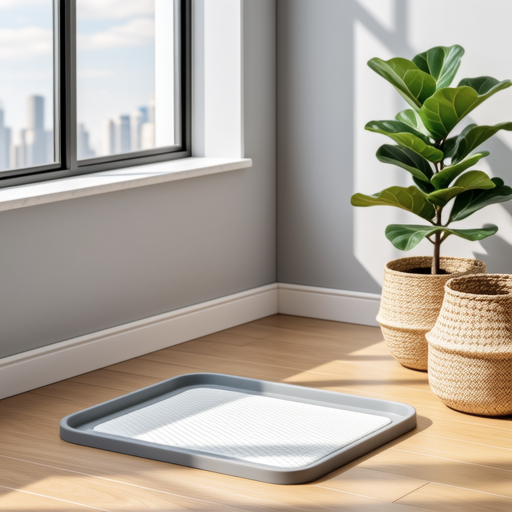
Strategic placement in low-traffic areas increases usage success
Placement isn't just about convenience—it's about psychology. Pets naturally seek out quiet, low-traffic areas for elimination. Research from American Kennel Club training resources suggests these optimal locations:
Primary Placement Zones
- Consistent Corner Placement: Choose a permanent location and maintain it. Moving pads frequently confuses pets.
- Proximity to Sleeping Areas: Young puppies need quick access, especially after naps.
- Away from Food Bowls: Animals instinctively avoid eliminating near their eating areas.
- Easy Access Points: Consider your pet's mobility and place pads accordingly.
Absorption Technology: Understanding What You're Buying
Not all pads are created equal. Modern potty pads utilize advanced absorption technology that varies by brand and price point. The PetMD veterinary resource explains the key components:
| Layer | Function | Considerations |
|---|---|---|
| Top Layer | Quick-dry surface | Prevents tracking and keeps paws dry |
| Absorption Core | Super-absorbent polymer | Converts liquid to gel, prevents leakage |
| Bottom Layer | Leak-proof backing | Protects floors from moisture damage |
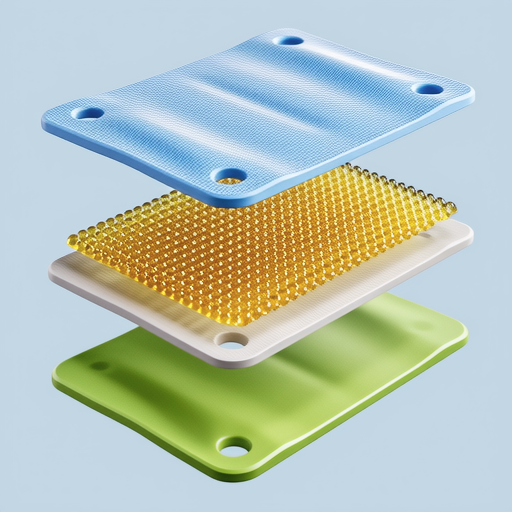
Understanding pad construction helps maximize effectiveness
Training Techniques: Beyond Basic Placement
Effective training combines consistency with positive reinforcement. Certified animal behaviorists recommend these proven methods:
The Scheduled Approach
Take your pet to the pad at regular intervals—after waking, eating, drinking, and playing. This establishes routine and reduces accidents.
Scent Association
When accidents occur elsewhere, clean thoroughly with enzymatic cleaners, then place a soiled paper towel under a fresh pad to attract your pet to the correct location.
Gradual Distance Training
For puppies transitioning to outdoor elimination, gradually move the pad closer to the door, then eventually outside.
Pro Tip: The Double Pad Method
For heavy users or overnight use, place two pads together—one on top of another. When the top pad becomes soiled, simply remove it to reveal a fresh surface underneath. This extends usage time and maintains hygiene.
Maintenance and Hygiene: Keeping It Clean
Regular maintenance prevents odors and maintains pad effectiveness. The Humane Society recommends these hygiene practices:
- Immediate Replacement: Change pads as soon as they become soiled to prevent aversion
- Surface Cleaning: Wipe the area beneath pads regularly with pet-safe disinfectants
- Odor Control: Use baking soda between pad changes to neutralize smells
- Proper Disposal: Roll soiled pads inward to contain waste before disposal
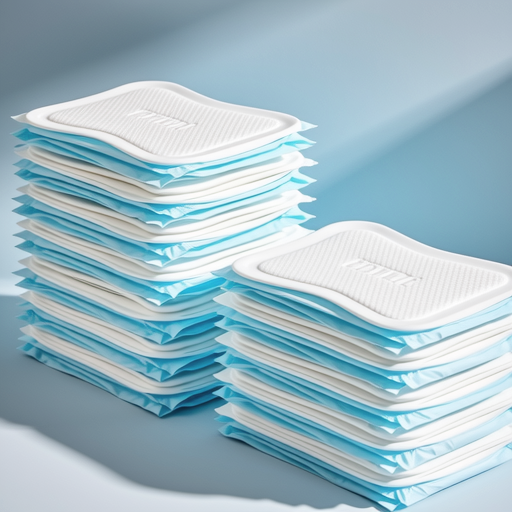
Proper maintenance ensures long-term effectiveness
Special Considerations: Tailoring to Your Pet's Needs
For Senior Pets
Older animals may need pads placed in multiple locations for easy access. Consider using larger pads or placing several together for increased coverage.
For Multiple Pets
Provide one pad per pet plus an extra. Some animals prefer not to share elimination spaces.
For Male Dogs
Position pads against walls or use corner-shaped pads to accommodate lifting behavior.
Environmental and Cost Considerations
While disposable pads offer convenience, eco-conscious pet owners might consider:
Washable Alternatives
Reusable pads with waterproof backing can be laundered, reducing waste and long-term costs.
Biodegradable Options
Some brands offer pads made from sustainable materials that break down more quickly in landfills.
Troubleshooting Common Issues
Problem: Pet Avoids the Pad
Solution: Ensure the pad is in a quiet location. Some pets dislike scented pads—try unscented versions. Make sure previous accidents are thoroughly cleaned with enzymatic cleaners.
Problem: Leakage Through Pad
Solution: Use pads with higher absorbency ratings. Place a waterproof tray underneath for added protection. Consider using two pads layered together for heavy users.
Problem: Pad Shifting or Moving
Solution: Use pad holders or non-slip mats underneath. Some brands offer adhesive strips on the bottom. For tile or hardwood floors, place a small rug underneath the pad.
Conclusion: Building Lasting Habits
Mastering pet potty pad usage requires patience, consistency, and understanding of your pet's unique needs. By implementing these techniques—strategic placement, proper training methods, and regular maintenance—you can create a clean, stress-free environment for both you and your pet. Remember that every animal learns at their own pace, and what works for one may need adjustment for another. With time and persistence, potty pads can become an effortless part of your pet care routine.
References & Further Reading:
- American Veterinary Medical Association - Professional guidelines for pet care
- American Kennel Club - Training resources and best practices
- PetMD - Veterinary-approved pet care information
- Humane Society - Animal welfare and care standards